Challenging Days in Papeete

26 July.

After the phenomenal Heiva performances/competition we began the work of re-provisioning the boat. We needed food on board for three months, fuel for our engine and propane for our stove, all of which are available within walking distance from our anchorage south of the airport. Our first day of work started fabulously, netting Costco bags of nuts and other essentials at a local trading store, but quickly deteriorated when Mark tripped over a low wall while carrying jerry cans to the local gas station to get diesel. Anson and I were able to put our wilderness medical training to good use; without that course under our belt neither of us would have had the confidence to tackle the gaping flesh wound on his shin. A call to my father to make sure we weren’t crazy to tackle the injury on our own led us to the sad news that Carroll (Mark’s mother) had fallen and broken her leg. We quickly transformed into a communication center to follow Carroll’s hospitalization, surgery and post-surgical care, while tending to Mark’s wound, and applying for a week extension on our visas to allow Mark’s leg to heal. French Polynesia is serious about visas: if we overstay we face $8000 in fines and a 15 year prohibition on entering the territory. During this week Devon and I were both sick for several days, leaving Anson as the sole uninjured/well member aboard Anthea. With our visas set to expire on 7/24, Devon and I leapt into re-provisioning action once we recovered so we were prepared to depart if the extension wasn’t granted. Then our laptop screen failed and the iphone’s home button crashed. We shoehorned in trips to buy a monitor and all the cables to run it on board, attempted an iPhone repair center, and closed the loop on the electronics, all before our visa was set to expire. (Incredible that the failures occurred in the first port in three months where it is possible to buy equipment.) The evening of the 24th we received word that we were granted another week stay to allow Mark’s leg to heal fully (fingers and toes crossed) before we must set sail. With Anthea bursting at the seams with food, and her tanks full and propane bottles stowed, we could breathe a sigh of relief, slow down, and fully engage with the reality that Carroll has said she is ready to die.

This is the dreadful part of an adventure like ours: being far away from family members in crisis. We had known that Carroll’s health was fragile when we departed; we gave hugs that we knew might be our last. And when her health worsened just before we departed Mexico, we bought a satellite phone to stay in frequent contact. Those calls every second or third day have kept us connected through these past months and eased the sorrow of separation. But with Carroll at the crossroads, weak after surgery and ready to embrace death just after her 92nd birthday, it is brutally hard to be so far away. Zara, Mark’s sister, has been the enduring support for Carroll while we have been cruising, and her loving care of Carroll is a gift that enables us to be on this journey. Merci un mil fois. During this current health crisis many others have stepped up to provide support. Dear friends Judee and Yvonne have played a crucial role before, during and after the surgery; my parents, Peter and Louise, made the long trek up to Arcata to lay eyes on Carroll, support Zara, and help with the logistics of moving Carroll back to her apartment after she is discharged from the hospital; Carroll’s church community and her loving neighbor Carol have all gathered round during this crisis; Dr. Mahoney and the team of hospice workers continue to provide Carroll with the best and most compassionate and dignified care possible. Thank you, one and all.

We have spent the day letting our hearts open to the knowledge that Carroll is unwilling to continue living in a weakened state and ready to die. We’ve been writing email messages for Zara to read to Carroll and sending her love and light across the seas and skies.

We have a few days left before setting sail, days for our hearts to be full of love and grief for an extraordinary woman who has lived a long, beautiful and loving life. Perhaps upon return to her apartment, her will to live will return, and if so we will rejoice. Yet if this is Carroll’s time to depart, we wish her peace and release her from the bonds of this world with all our love.

Kim
More Photos!

Second installment of photos.

As I am using a french keyboard to type the captions and paying through the nose while I am at it I will try to add the rest later from my laptop.

Anson

IMG_1842R

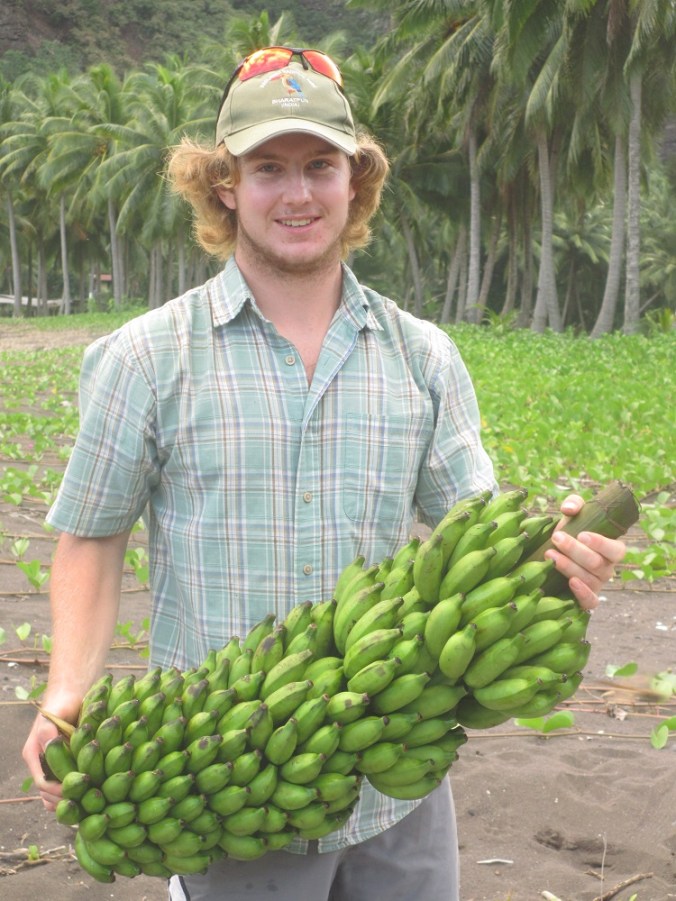
Anson buying fruit

IMG_1908R

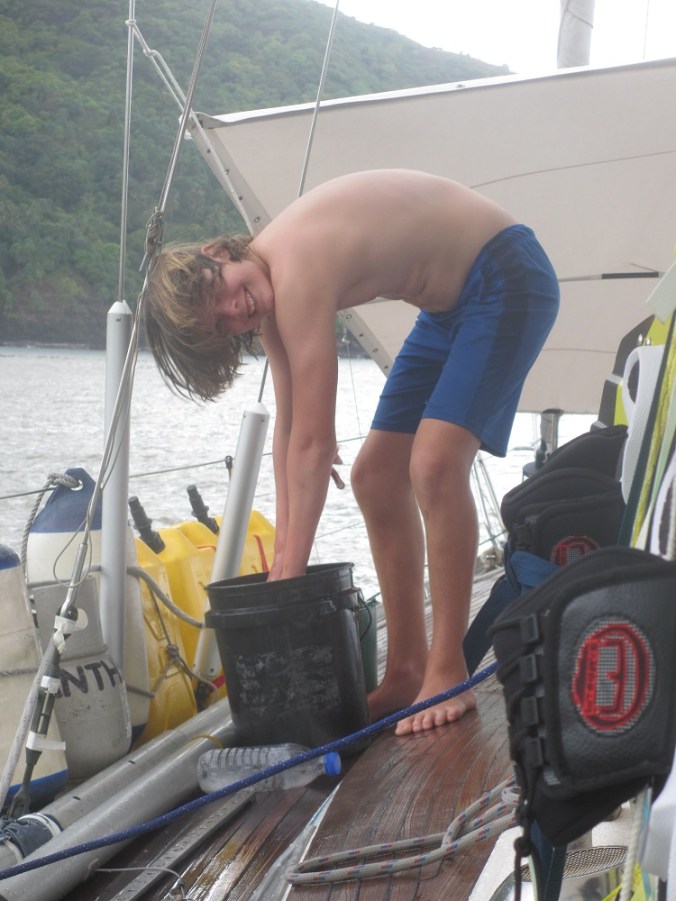
Devon washing clothesIMG_2015R

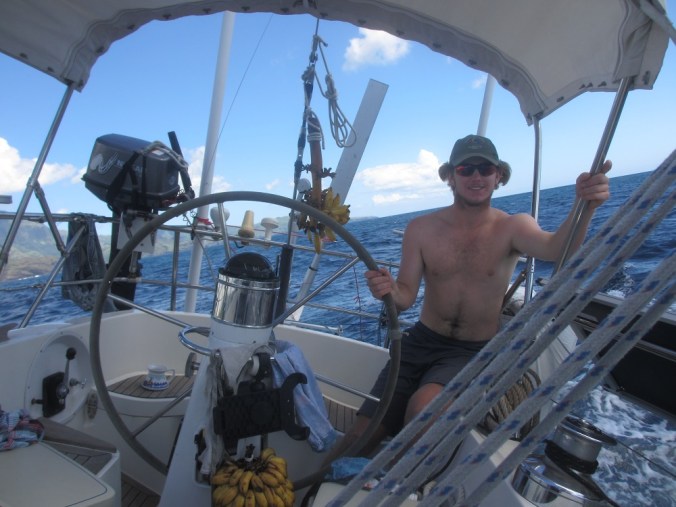
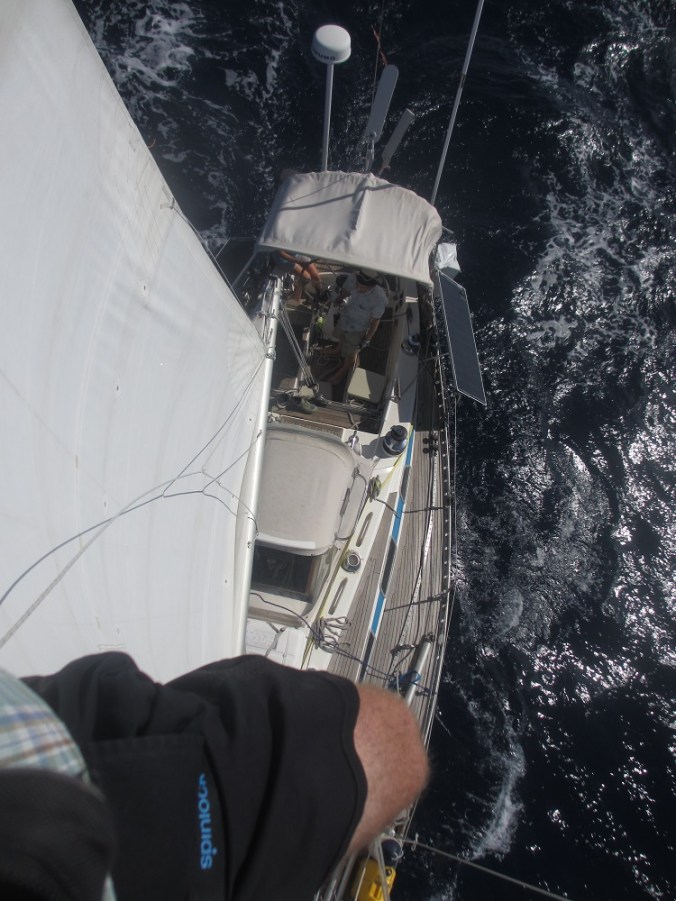
Sailing to Anaho Bay, Nuku Hiva

IMG_2034R

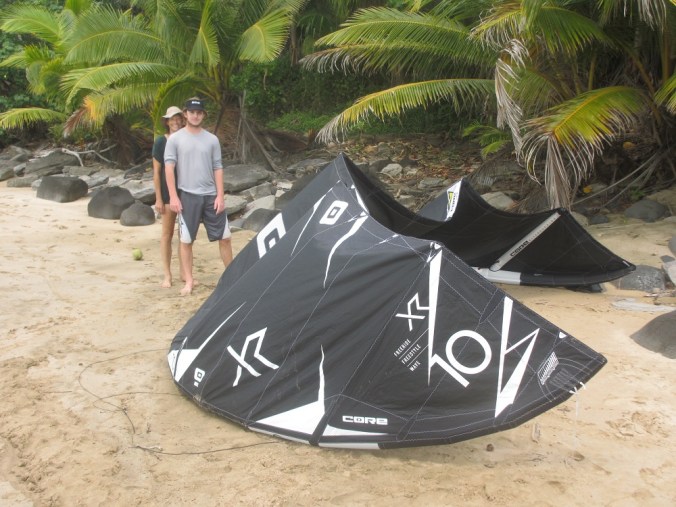
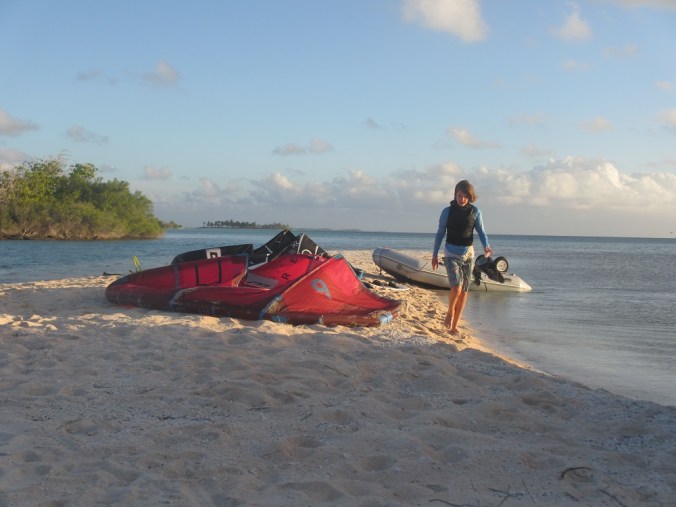
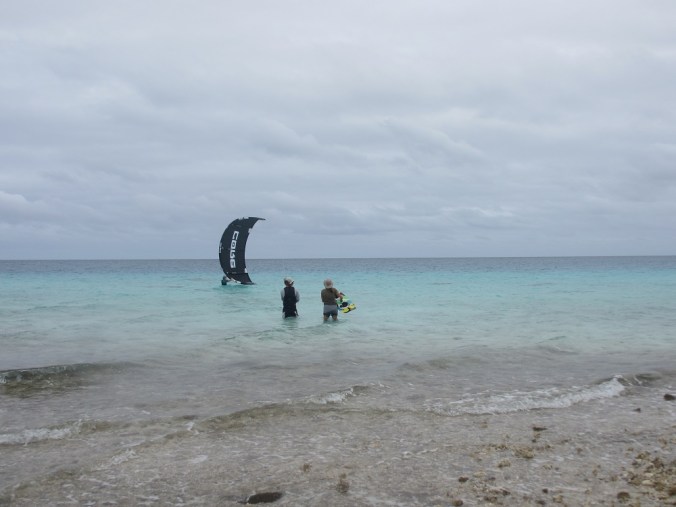
Kiteboarding Anaho BayIMG_2040R

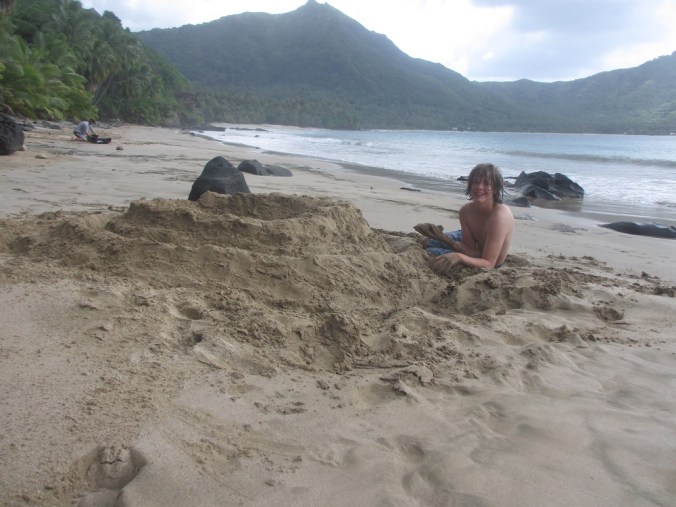
Sand Play Anaho BayIMG_2110R

Lagoon sailing Raroia atoll, TuamotusIMG_2135R

Kiteboarding TahaneaIMG_2154R

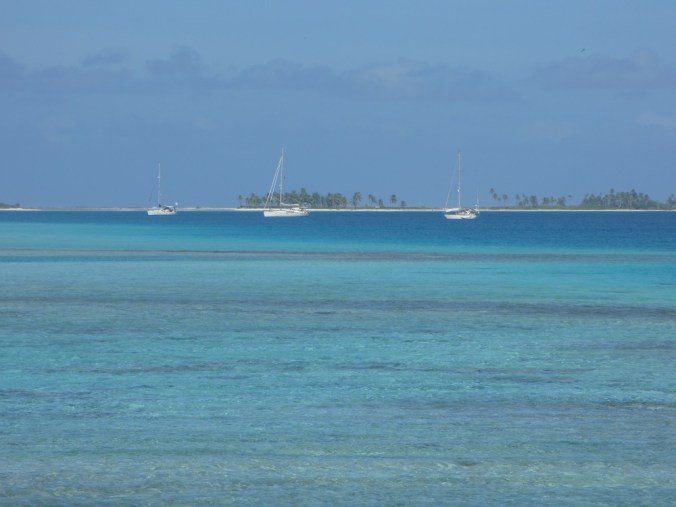
Magical waters of Tahanea

IMG_2159R

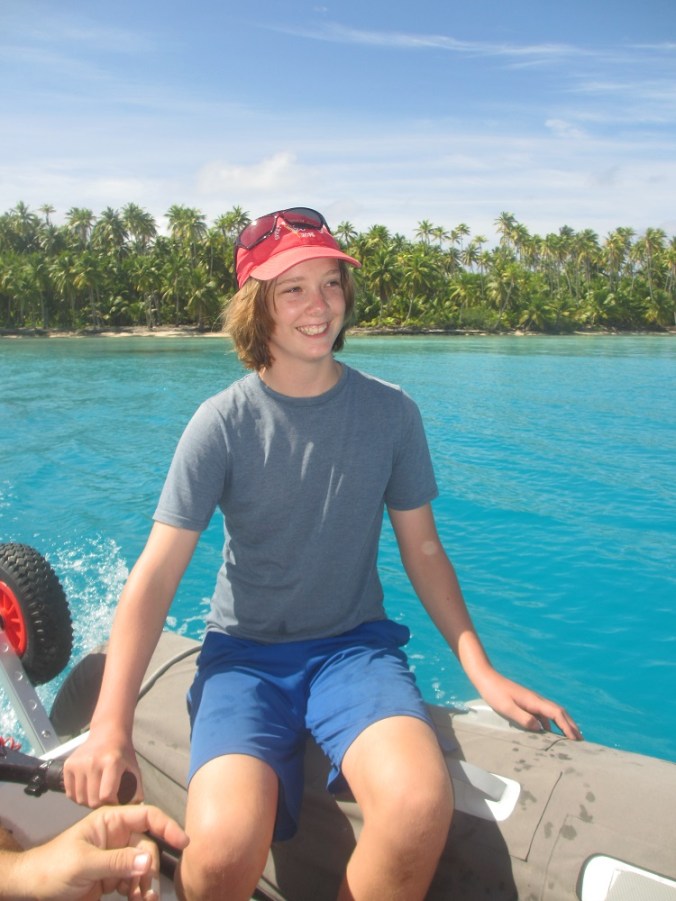
Devon at Raroia atoll, driving Max and Alex’s fancy dinghyIMG_2269R

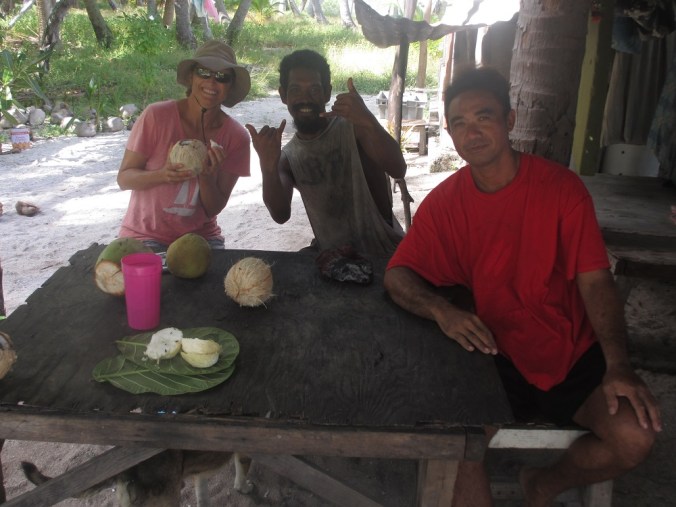
Kim with Nolan and Napoleon, Makemo AtollIMG_2279R
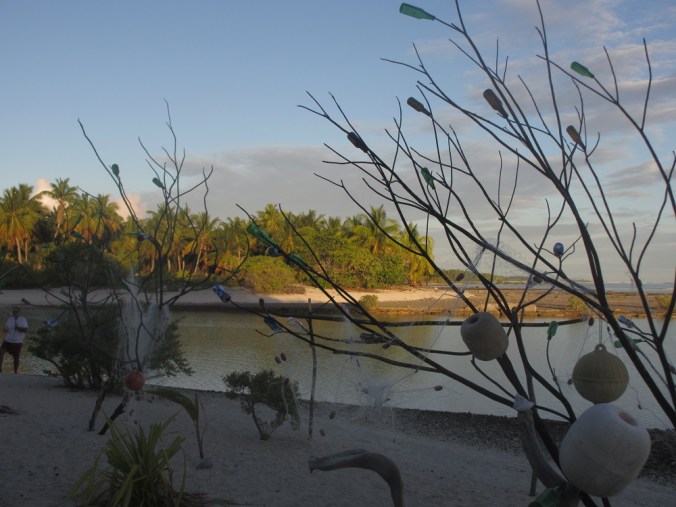
launching Anson at ThaaneaIMG_2371R

Morning Bounty, TahaneaIMG_2393R

Cruising the lagoon, TahaneaIMG_2424R

leaving Fakarava’s South PassIMG_2473RIMG_2538R

IMG_1782RIMG_1813RIMG_1905RIMG_1912RIMG_1918RIMG_1949RIMG_1995RIMG_2021RIMG_2049RIMG_2051RIMG_2062RIMG_2090RIMG_2150RIMG_2217RIMG_2251RIMG_2273RIMG_2284RIMG_2310RIMG_2313RIMG_2316RIMG_2329RIMG_2341RIMG_2428RIMG_2432RIMG_2499RIMG_2503RIMG_2526RIMG_2528RIMG_2554RIMG_2587RIMG_2611RIMG_2613RIMG_2620RIMG_2645RIMG_1393RIMG_1412RIMG_1511RIMG_1574RIMG_1585RIMG_1590RIMG_1609RIMG_1628RIMG_1641RIMG_1665RIMG_1668RIMG_1717RIMG_1718RIMG_1782IMG_1813

Papeete Whirlwind Part 2

File size exceeded SSB sailmail transmit capability, so here’s the second half of the blog post…..

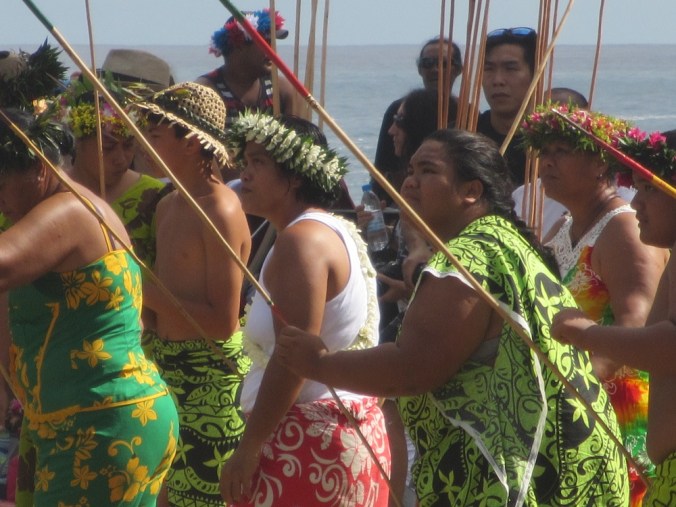
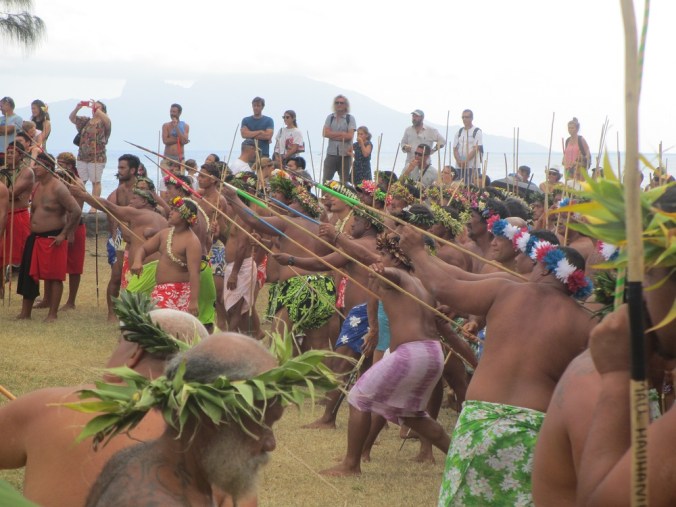
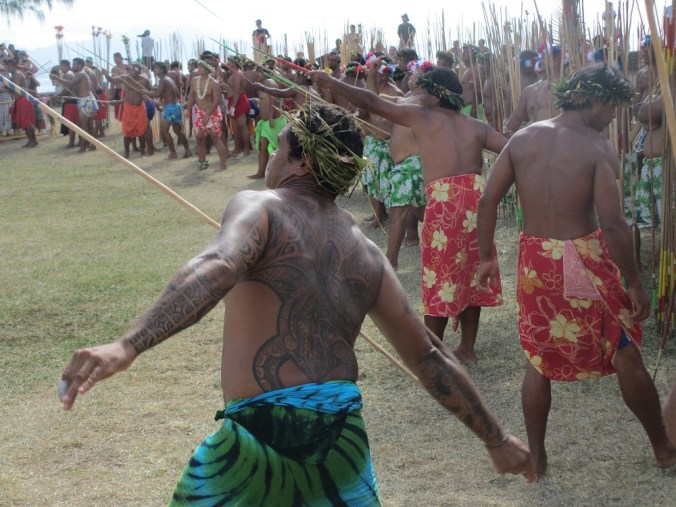
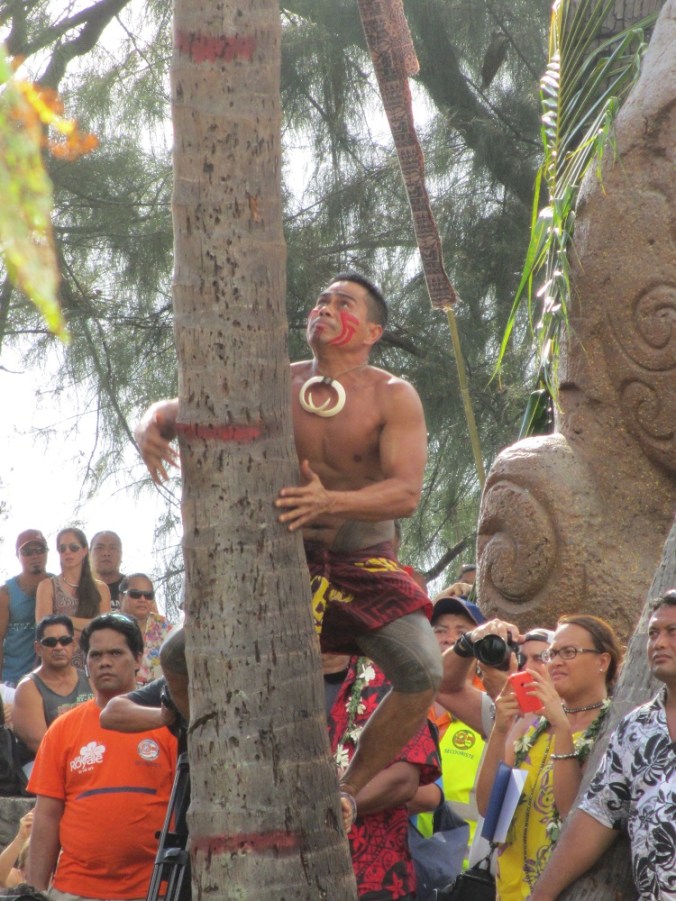
Somehow, the timing of our arrival in Papeete perfectly coincided with Heiva-related events. Our next day in Papeete, July 15th, we learned, was the second and last day of traditional Polynesian sports events, held on the beautiful grounds of the seaside Musee de Tahiti and Ses Isles, a short bus ride from Papeete. What a memorable day it was. The stately grounds of the Musee provided a perfect location for these sporting events, which celebrated traditional Oceanic games and/or activities. Several hundred people, mostly locals, and some French ex-pats and a few tourist types comfortably fit into the roughly 5 acres of grassy, tree-studded open space. The sporting events took place in three different areas; multiple food tents, a well organized location for full meals, and tents for vendors of Oceanic artwork (wood carving, jewelry, woven goods, etc.) rounded out the scene and provided sustenance for the attendees of the day-long events. The sports events included throwing lances at a coconut attached to the top of a pole, shouldering a large, smooth rock (different weight categories, the largest being 175 kg!!), coconut husking contest, and the world championship coconut tree climbing race. Dance troupes from the Marquesas and the Austral Islands also performed. Space limitations keep me from writing a long paragraph about each of these events, but suffice to say that each was extremely well organized, featured competitors from all over Oceania, was riveting in intensity and emotion, and showcased people with unbelievable strength, agility and skill. For example, at the end of each lance throwing session, the target coconut, some 50 feet high up, absolutely bristled with the lances that had impaled it; some of the coconut tree climbers broke the 6 second threshold for climbing approximately 10 meters up a coconut tree with nothing but a figure eight of cloth around their feet, and the winning coconut husking team celebrated their hard earned victory in an emotional group hug of bodies glistening with running sweat and coconut water after a fearsome 20 minutes of cleaving coconuts in half with one stroke of the ax, removing the coconut meat from the shell, and packing it all up in the burlap sack. These events, as with the dance and singing elements of Heiva, celebrate and valorize life in Oceania.
After such a high energy beginning to our Papeete visit, it had to become a bit less intense, and thankfully it did so. After two nights at Marina Papeete and an early morning (6am) visit to the famous Marche Papeete (Papeete Market) to purchase fresh vegetables, fruit, chicken and pork, we shifted four miles eastward to the free anchorage near the other primary marina, Marina Taena, (which also has a glorious view of Moorea). Prior to departing Marina Papeete I replaced Mr. Perkins’ primary and secondary fuel filters and bled the air out of the fuel lines and changed the oil and filter – service tasks I prefer to do at dock than at anchor in case I run into problems. On our way to the anchorage we called to request permission to cross in front of Papeete Airport’s runway; it was a good thing we did as the friendly Port Authority officer requested us to pause for 15 minutes to allow two incoming jets to land before proceeding and thus avoid running the risk of the low flying planes clipping the top of our mast. Yesterday (Monday 17 July) we went to Papeete by bus; on our to do list was visiting a black pearl merchant, picking up the parts we ordered weeks ago from Ocean 2000 chandlery (which arrived from Australia in the nick of time), seeing our friends on Bela Serena, and visiting the French Patisserie. Yesterday we began the provisioning process with a marathon 12 hour long day (the last major provisioning was in La Paz in early April and this provisioning needs to last an equally long time). Today, (Wednesday) is a low to the belly on board day; tomorrow the provisioning will continue and occupy the better part of three more days. That work, plus important internet work (like uploading photos to the blog), and possibly a Saturday dance performance, will round out our time in Papeete. Oh, and I would like to find a DVD of recent Heiva performances – they are truly unforgettable.

Mark

Papeete Whirlwind Part 1

19 July Papeete Whirlwind

It’s been a whirlwind five days in Papeete, and today, the sixth, is the first day we’ve had any down time.

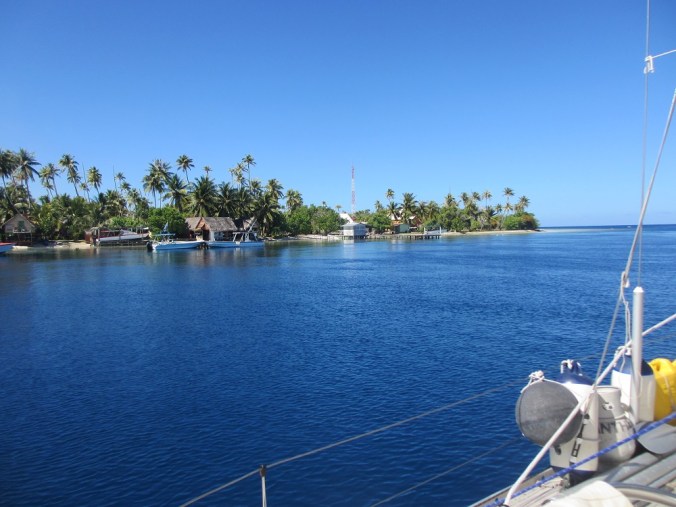
As planned, we pulled into Papeete early on July 14th, Bastille Day, and by 7am had a berth in the new Marina Papeete, located where, 35 years ago, yachts simply stern tied to the quai along Pomare Boulevard and anchored bow out. We were hoping to enjoy some Bastille Day celebrations as well as see some of the competitive dance and singing events we knew occurred in July. Franco, at Marina Papeete, expressed a Polynesian view of Bastille Day when he said it wasn’t a holiday for him, and that he had no interest in celebrating a French (colonialist) event. Sharing his anti-colonial views, we asked if there was a protest planned and hearing there was none, we traipsed over to the Commissariat Building (of French administration) to watch the formal governmental ceremonies that occur on Bastille Day. One long block of the tree-lined and shaded boulevard outside the Commissariat Building was cordoned off to traffic. From each of several different branches of the military, 20 or 30 mostly French soldiers stood at attention with full regalia, rifles out and bayonets unsheathed; a modest crowd of Papeete residents and tourists occupied the sidewalk. Many women and girls wore colorful long dresses with extensive frill-like hems, and men and women alike wore wreaths of beautiful flowers and greenery. News teams were present and on high alert to capture the action. At the appointed hour, French and local political dignitaries, administrators, and military officers walked out of the Commissariat Building and to the end of the block, where podiums and sound equipment had been set up. There followed a rather subdued series of speeches, interspersed with polite applause and the presentation of some sort of medal. My basic French was not up to the translation task and this prevented us from other than a superficial understanding of what was going on, though it was clear that we were witnessing a demonstration of the legitimacy of the French government and its military power, as well as the linkages with local politicians and political processes that at least tacitly support, not contest, French power and presence.

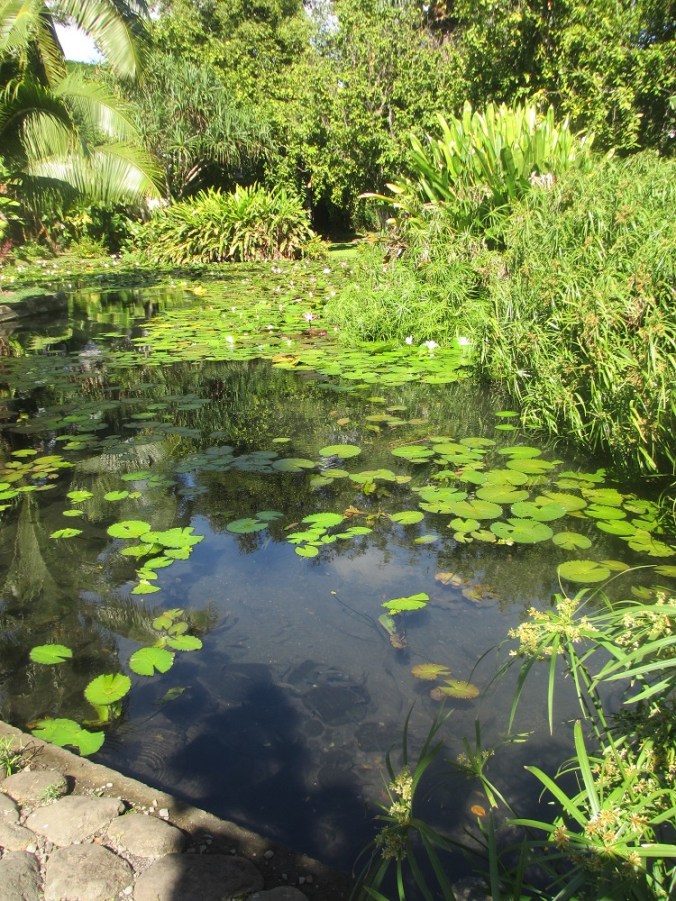
After half an hour or less the ceremony came to an end. We decided to explore downtown Papeete a bit, in search of ice cream (as per Devon’s request) and, as it turned out, to witness another example of state power and governmental authority. While we did not find ice cream (the city was pretty much entirely shut down due to the holiday), we did arrive at the Assembly Garden, located next to the French Polynesian Assembly, which is the only popularly elected national, representative body, comprised of members from each of the five archipelagoes that together make up French Polynesia. The Assembly Garden contains an extensive botanical garden, walkways open to the public, a lotus and lily pond, all connected by a flowing waterway containing fish. The botanical garden has an extensive collection of plants growing along the network of paths – an information sign next to each featured plant provided an brief description of where it is found, its provenance, uses and other key characteristics. Interestingly, the descriptions were in French and English only, not Tahitian. The power of the state to name, classify and create knowledge about plants and plant taxonomy is a key marker of state authority and its right to control access to the botanical world and the resources that it provides. That this knowledge was codified in French and English – imperial, colonial languages of rule, but not Tahitian, reinforces the link between botanical knowledge and state power. The descriptions were not in Tahitian because local botanical understanding and knowledge, indeed social relationships and cultural understanding, would no doubt differ significantly from those encoded in French or English (and indeed, perhaps challenge those of the dominant knowledge system).

Having enjoyed the peace and quiet of the Assembly garden, discussed linkages between botanical knowledge and state power, and concluded that ice cream was not happening on Bastille Day, we returned to Anthea for a rest as the tiring effects of two nights at sea were catching up. Later that day, I was extremely happy to be able to purchase tickets for that night’s Heiva performance at the ticket office. Heiva is an annual, competitive dance, singing, and sports extravaganza that brings some of the most renowned groups from throughout French Polynesia to Papeete for about three weeks of intense performances. It is linked with the resurgence of culture and identity that has emerged over the last few decades and it is a celebration and recasting of Polynesian traditions of dance and song.

That evening’s performance, in an open-air amphitheater only about a 20 minute walk from the marina, was unforgettable. The program consisted of performances by four different groups – two dance and two singing. Words cannot do justice to the vitality, beauty, emotional intensity, and extraordinary talent of these groups. Both dance groups had their own live orchestral accompaniment – the amazing percussion and syncopation of the traditional drumming instruments was extraordinary, not to mention the flute, string, and other instruments. In all four cases the announcer took pains to recount the plot of the dance performances and the subject matter of the singing groups’ songs, in French, English, AND Tahitian. The dance performances included the classic (and stunning) hip swiveling female and knee swaying male moves, high energy and perfectly choreographed dance scores involving upwards of 30 or 40 dancers, outstanding male and female solo performances, and remarkably beautiful costumes. The second dance performance focused on language revitalization and the importance of language for maintaining cultural integrity and identity. It presented an explicit critique of the ways in which French language has supplanted Tahitian and of the importance of re-centering language and Tahitian culture and identity. Each dancer seemed to genuinely enjoy what they were doing; the dancing was a marvelous and exuberant celebration; we could feel the dancers’ emotional commitment to the themes and subject matter of the dance. The singing groups were also special, though they did not quite have the same moving, engaging, high-energy quality of the dance groups. While the singing seemed a hybrid of traditional and church singing styles, the songs themselves recounted Polynesian myths, the accomplishments of cultural heroes, historical events and, in one case, the importance of the younger generation knowing ancient place names. A panel of more than 10 judges carefully made notes and decisions, which would become the basis of awarding the considerable prize money to the best performing groups across a wide variety of different dance and song genres. Thus ended our first and quite full day in Papeete.

continued as part 2 post….