Photos

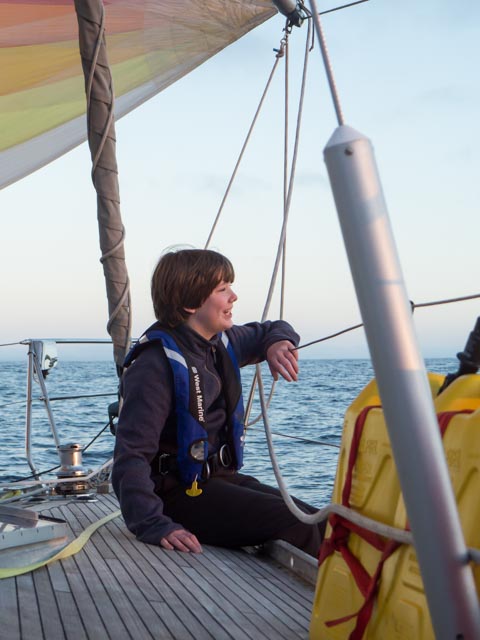
Devon Sailing down Baja

Devon enjoying a sunset under the spinn off the Baja coast

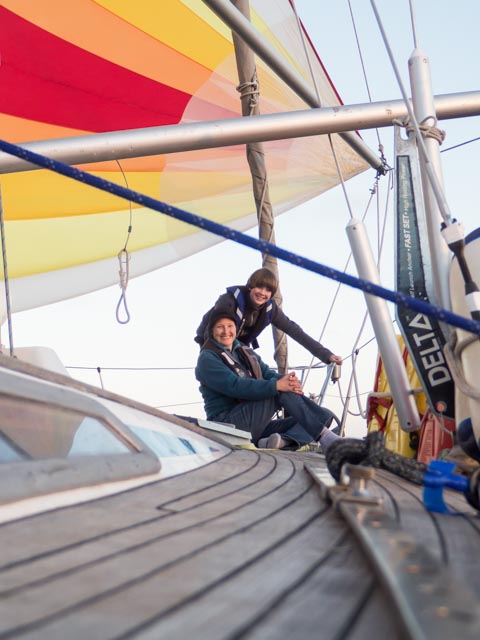
Kim and Devon Sailing down Baja

Devon and Kim relaxing under the spinn off the Baja coast

Mark-Sailing-down-Baja

Mark sailing down Baja

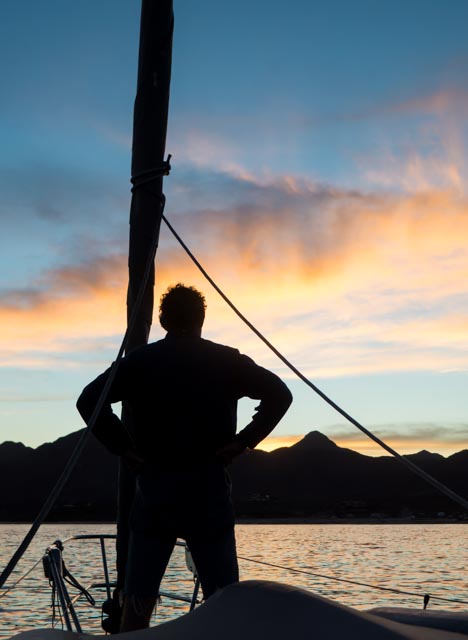
Mark at Los Frailles

Mark surveying Los Frielles on the southern tip of Baja

Morning-Light-at-Los-Frailles

Sunrise at Los Frielles

P1160135-HDR-1

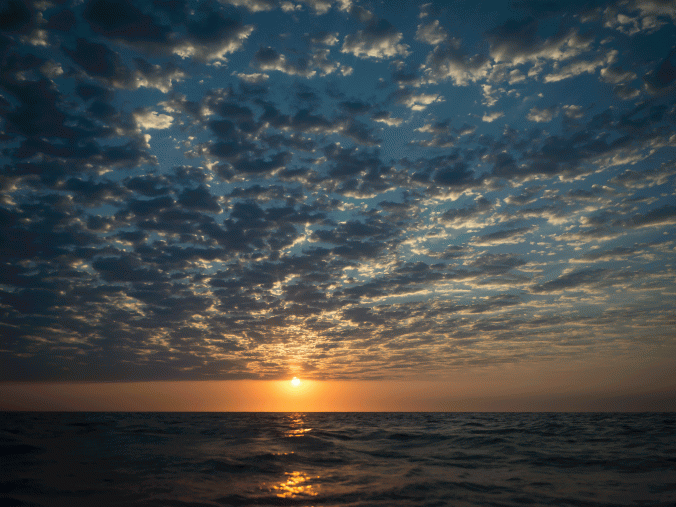
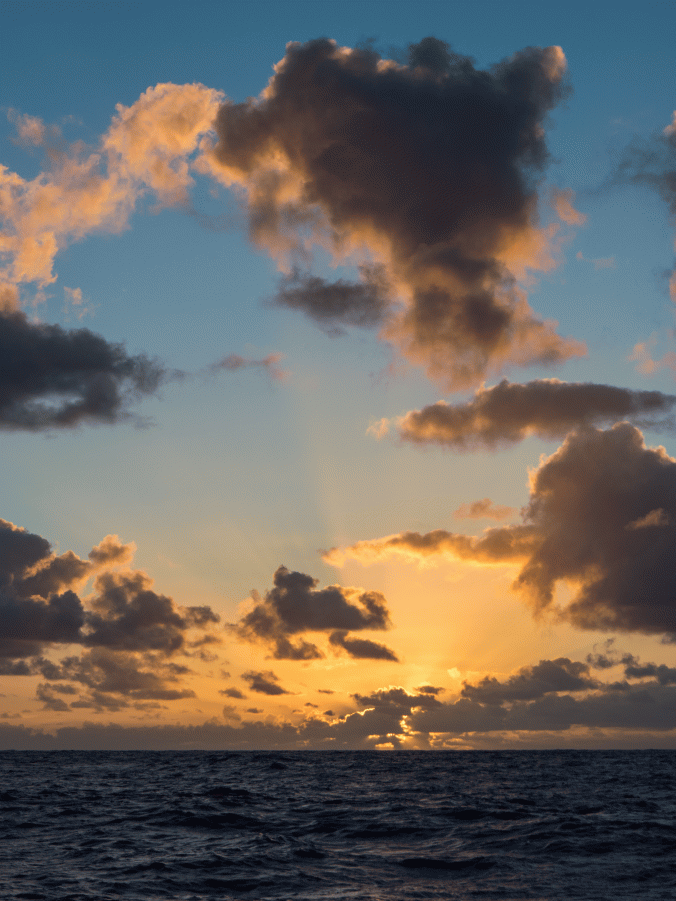
Sunset off the Baja coast

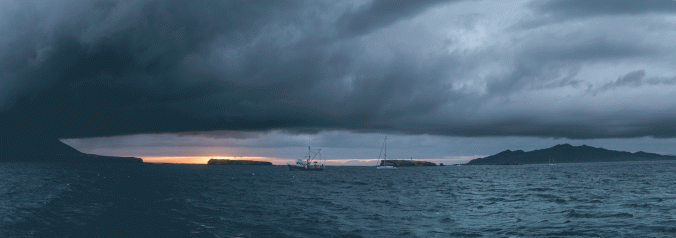
Turtle-Bay-Stormy-Sunset-Panorama

Weathering the storm at Turtle Bay

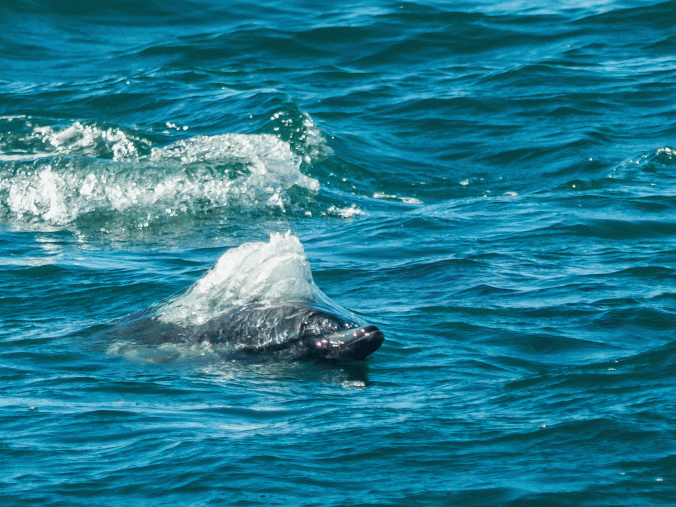
Porpoise-at-Magdelana-1

Bottlenose dolphin at Magdalena Bay

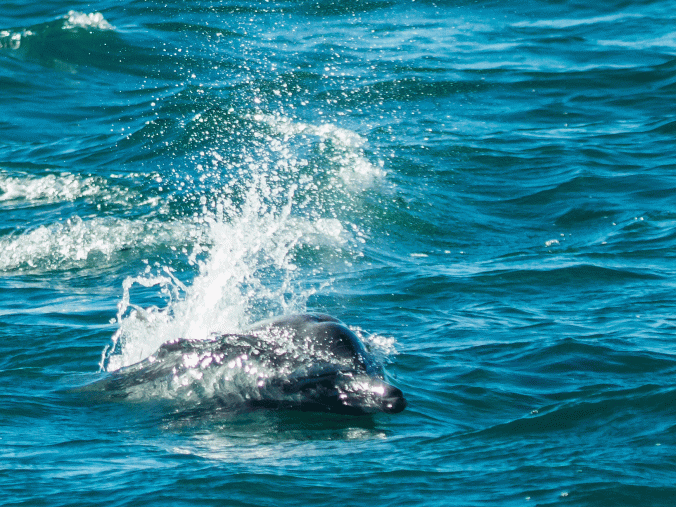
Porpoise-at-Magdelana-2

Bottlenose dolphin at Magdalena Bay

Porpoise-at-Magdelana-3

Bottlenose dolphin at Magdalena Bay

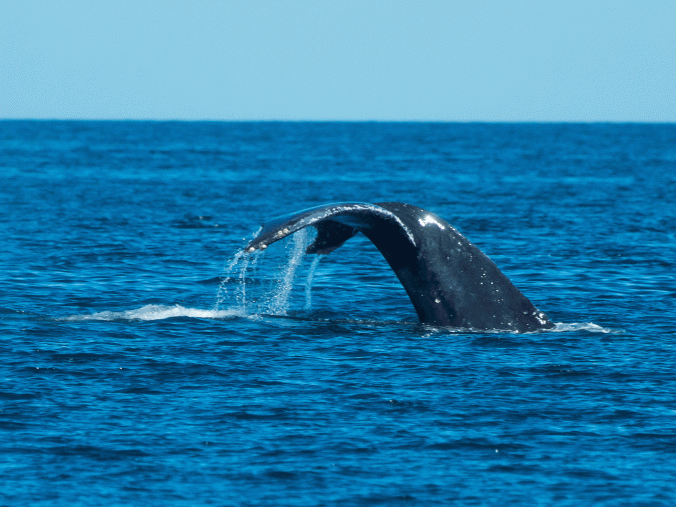
Post-Cabo-Whale-Fluke

Whale off the southern tip of Cabo San Lucas

Spout-and-Spyhop-at-Magdalena

Whales at Magdalena Bay

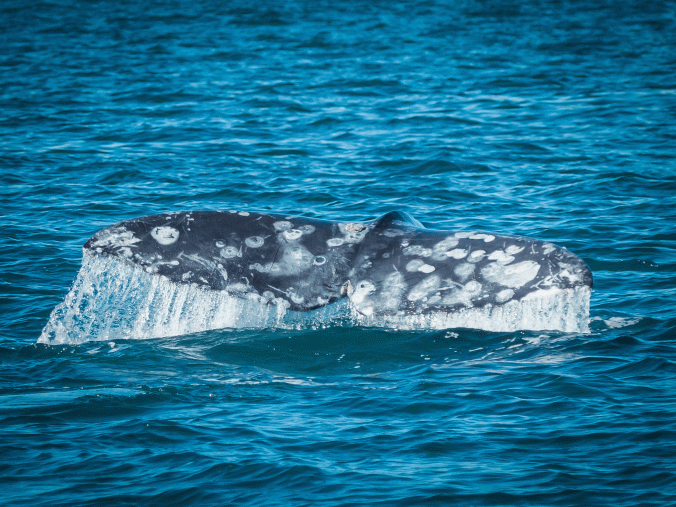
Whale-Fluke-at-Magdalena-1

Whale at Magdalena Bay

What’s Up?!

March 7th, 2017
With the weather that is. The forecasters were spot on for a spell. Strong northwesterlies and steep seas were forecast for four days. Those winds and seas arrived and kept us in beautiful Los Frailes. We hiked to the top of the 755 foot granite peak, studded with cacti, walked miles down a curving white sand beach, and enjoyed three snorkels off the Pulmo reef. The density and diversity of tropical fish along the Sea of Cortez’s only coral reef offered a visual feast that called us back each day. The delicious red snapper, bought from the local fisherfolk, provided us with fish tacos and grilled fish dinners. All in all, a delightful stay in a beautiful, albeit windy, anchorage.

The forecasters then predicted two days of lightening northwesterly wind and diminished swells. This was our chance to make our way north, bashing into manageable winds and seas on our way to La Paz. The night before our departure we deflated and stowed the dinghy below, tied on the snorkel and wetsuit bags, and prepared the boat for a hard beat to windward. At dawn we were greeted with darkening cumulonimbus clouds and distant lightning. We were eager to travel north, and the squall looked isolated, so after rechecking the forecast, which mentioned no fronts or other adverse weather systems, we set out, raising a double reefed main under increasingly threatening skies. The first squall flew by to leeward of us, but the winds aloft soon brought several more our way. With reefed jib and main we made good way riding the northeasterly winds directly towards our destination. Most of the squall clouds blew on by, but ultimately we were trapped by one system, with light rain dripping down among the squirrely winds. As we exited its vortex the wind lightened and then seemingly evaporated, sucked up by the squall clouds to power its march across the sea. And so we sat and then motored for several hours until a northerly piped up and carried us directly to Bahia de los Muertos. No bash, no lightning strikes, and a beautiful afternoon sail to a safe harbor. A very good day. Yet after the grandeur of Bahia de los Frailes we were not sad to spend only one night in this small bay.

The next morning the forecast remained the same as the day before: 10-14 knots dead on the nose. We prepared the boat once more for the bash, thankful the dinghy was already tucked nicely below, raised the anchor and sailed out of the bay on a light southerly breeze. After a lovely reach out beyond the shallows, we turned north and sailed away from the 6 knot breeze. The sea was flat, so we were able to keep up a steady 3 knots with an apparent wind of 2-3. Not bad for a laden cruising vessel, but not fast enough to make our anchorage by daylight. We deliberated – did we dare raise the spinnaker when the wind was forecast to blow on the nose? Especially as we were traversing a channel known for amplifying the winds? We delayed, we peered into the distance for signs of whitecaps ahead, and finally we gave up on the forecasts and went with what was before us: a downwind run in an almost non-existent breeze. All hands on deck, with Anson directing the spin set, led to the glorious sound of the massive nylon spinnaker snapping full with the breeze. Our speed began to lift and soon we experienced the magic of being moved by a wind we could not feel. With the apparent wind measuring 1-4 knots throughout the day, Anthea glided on a flat sea, ticking off the miles to our next anchorage: Punta Bonanza on Isla del Espiritu Santos.

We sailed into a paradisiacal scene: lapis waters merging into turquoise, a curved, white sand beach framed by the remnants of old volcanic peaks studded with saguaro cacti. Sunset brought freshening southwesterly winds, and as the dinner dishes were being dried and stowed the mast began to hum. By midnight we were in the thick of a Corumel, a local wind phenomenon in which colder Pacific Ocean wind flows across the Baja peninsula, fueled by the comparatively warm Sea of Cortez. As the rigging hummed and the chop built, Mark and I assessed the anchorage and turned on the anchor alarm. By morning all was calm, and the memories of a disrupted night faded with each sip of holy sacred morning coffee in the cockpit.

Much of cruising involves dealing with stuff, so, after the traditional pancake breakfast to honor a magical spot, we began. Out came the dinghy from under our berth, with Devon arranging the pumping station and bringing it to life. The dinghy alone requires oars, wheels (for hauling up the beach), pins for the wheels, gas can and engine. That routine complete, we packed a lunch and water, socks, shoes, sunscreen, hats, sunglasses and life jackets. Anson lovingly packed his camera and lenses in dry bags, and finally we managed to get ourselves into the dinghy and onshore. We pushed and pulled the dinghy up the steep white beach, comprised of shells, most broken and crumbling into sand, others whole, took a quick dip in the refreshing waters, and set off across the plateau at the base of the old peaks. It was a starkly beautiful scene, and as we climbed, the turquoise sea provided relief from the dry expanse of desert. Small birds, burrowing mammals and hares claimed the land, while vultures circled above. Anson trailed behind, dropping to the ground to snap photos of unsuspecting animals while we dodged thorny plants and climbed over pumice rocks.

The plan had been to snorkel after the hike, but by the time we returned to the dinghy, an unforecasted northwesterly was howling at 20 knots. Simply climbing from the dinghy up to Anthea in the brisk chop was an effort, as was lifting all the gear out of the boat and keeping it from being blown away. With too much faith in the forecast, we believed the weather experts were only 5-10 knots off in the prediction, so we stayed in the anchorage, swayed also by two guide books proclaiming the bay’s protection from northwesterlies. It is true that the point kept the steep swell from entering the anchorage and turning our boat into a giant rocking horse. But what the authors failed to mention was the extraordinary “point effect” of this anchorage, namely that it was a mini Point Conception or Point Mendocino. While the rest of the Sea may have seen 20-25 knots (rather than the predicted 10-14), Mark and I spent a sleepless night monitoring the anchor in gusts of 30 to 35 knots. We did the math on depth of anchor, height of bow, length of rode and were only mildly comforted by the knowledge that we had the recommended length of chain out for a 30 knot blow. After realizing the risk of injury was great if we were to remove a snubber line, let out chain and reattach a snubber in the dark of night, we opted to monitor the situation closely. Each 35 knot gust made the boat and us quiver, but the anchor held, and we finally trusted it enough to take turns monitoring the ipads (one displaying the path of our boat as she yawed across the arc of the anchor rode, the other displaying wind data) while the other slept.

Morning coffee was not quite the healing balm, as the wind had barely abated. Our journey to La Paz would take us through a narrow channel with a shoal on one side and a reef on the other. We felt the press of time to depart before seas and wind built further. With Anson relaying directions from Mark at the bow to Kim at the helm, we up-anchored and motored into a relative calm. We seemed to have anchored in the windiest spot for miles around! Relieved, knowing we wouldn’t be navigating through a six foot, steep chop, and with a sailing wind building, Anson let out the jib and we ate breakfast to the sound of water lapping against the hull and wind in the sail. The 17 miles to La Paz was spent with eyes close to paper chart and ipad to avoid shoals and rocks, monitor currents, and identify the entrance to the long, narrow channel that harbors La Paz. Under jib alone we surfed down the waves and swayed our way into La Paz, loving every minute of the morning sail.

Safely at dock at Marina de La Paz, we can all go ashore for the next adventure: kiteboarding lessons in La Ventana, starting tomorrow, weather permitting. The forecast looks promising: may it be right!
A Day in the Life of Cruising

Tuesday, February 28. Los Frailles, Sea of Cortez
Being woken to the smell of pancakes cooking is much better than to the sound of an engine starting. At around 9:00, I (Devon) was woken up to the delicious smell. “First pancake ready, come on out,” Kim shouted a few feet from my head. Both Anson and I responded groggily, “OK, coming.”
Of course, since I had just woken up, I did no such thing, and in fact promptly fell asleep. I woke up a minute later and got out of bed in a rush, hoping Mom didn’t notice my infraction.
I joined Anson and Mark at the table, but because of one minute of extra sleep, I was, unfortunately, the last in the pancake order. Thirty minutes and five, crepe-like pancakes later, we finished breakfast.
I washed the dishes with Anson drying and then helped get the dive gear and wetsuits onto the foredeck. I might have gone into my berth instead of helping, I don’t really remember, but I thought it would be better to claim the more responsible action first.
After deciding the water was too cold to snorkel in a bathing suit, I looked in the wetsuit bag and pulled out my wetsuit, disappeared into the aft cabin and put it on. I went topsides to find Anson and Kim searching for his wetsuit. Anson looked at me and exclaimed, “Hey, that’s my wetsuit!”
“No its not, look at me, you couldn’t fit in this,” I responded.
We finally decided it was his, and I went to take it off and put on another, thinner wetsuit.
Almost immediately after I tried on the second wetsuit I knew it wouldn’t work. I went topsides and gave both wetsuits back and after about two minutes came back down with Anson’s wetsuit, because he had realized that he couldn’t have fit in it. I then helped Kim and Anson load the dive gear into our dinghy. Mark stayed on the boat to make sure the unpredicted south wind didn’t wash Anthea ashore.
Kim, Anson, and I motored Hektor (our dinghy) over to the dive spot. We went into the chilly water and spent an hour or two having one of the best snorkels in my life, seeing parrot fish, black and white polka dotted fish with a rounded body shape, sculpins, angel fish, and many other species. Anson caught lots of them on the Go Pro, but Kim and I were just swimming and diving. Unfortunately, since the wetsuit was a little too big and I was getting rashes, we had to cut our snorkel short.
All four members of the family had a quick lunch of bagel, lox, and goat cheese, after which Kim and Mark had a nap. Once awake, they wanted to go on a walk on shore, so I dropped them off at the beach and came back to Anthea where my job was to figure out what we needed to know in Spanish to buy fish from the fisher folk. That took around 20 minutes so I spent the rest of the time watching a TV show.
1 hour and 45 minutes later I saw them coming down the path to the beach. I rushed down to get my lifejacket, my Spanish notes, and Mark’s wallet.
I landed Hektor and we drug the dinghy up to the high tide line and walked over to the fishing boats. There were around twenty fishing dinghies that were 15 feet long. The fisher folk would go out during the night and come back in the morning. They had little, one room shacks made out of scrap metal and other such materials. Later we learned that they had a fishing co-operative and marketed their catch in La Paz and Tijuana.
We approached a fisher person and used our meager Spanish to determine that they didn’t have any fish now because they load it onto the trucks around noon. If we wanted fish we would have to come at 6 or 7 in the morning. Mark ended the conversation by saying in Spanish, “Tomorrow, six, seven, Mark, Julio, fish.” Please may our Spanish get better soon!
We came back and put the dinghy engine on the boat while Kim started making dinner. We had almost got the dinghy on board when we remembered that Anson was going to do night photography on the beach. We then had to undue all of the work we had done: taking the engine off, handing up the dinghy wheels, and disconnecting the fuel tank.
Mark, Anson, and I came down to the smell of fajitas, which Anson and I gobbled down and then got ready to go to the beach. We left and landed on the beach, pulled up the dinghy, and Anson set up his camera on the boat. I sat down and watched TV. (An action that is now a banned!)
Anson noticed that the tide was coming in and getting closer and closer to us. Because Anson was taking a time lapse of the stars, we couldn’t move or even touch the dinghy. Instead, in between shots we built a wall of sand around it. At 9:30 we left, the water not having breached the wall, or even touched it. Not being able to see the water, we accidently launched into a set of bigger waves. We hurriedly got in, but Anson couldn’t start the engine. Having read a little too much Master and Commander, he yelled at me as if I were part of the British Royal Navy, “Row, damn you, row!” Fortunately, he was able to start the engine and gun us out of there.
When we reached Anthea, we stowed the dinghy, for real this time, and went to bed. Devon

Sleigh Ride to Cabo

The peaceful anchorage in Magdalena Bay turned boisterous in the middle of the night as the northwesterly winds picked up to 20 knots. By dawn the wind chop made our anchorage untenable and gentle communion with the whales impossible, as the bay was boiling and teeming with white caps. We fired up the SSB radio and downloaded the weather forecast: strong winds for at least three days, followed by light winds down the coast. Our choice was to use the wind to sail south, or search for the best anchorage in Mag Bay to hunker down with books for three days, while nurturing our hope for another blissful day of whale watching. We agonized over the choice, but our time in Mexico was already shorter than desired, and the Sea of Cortez (blissful cruising grounds, snorkeling, kiteboarding) called. So we set off for Cabo San Lucas with a double reefed main alone, flying out of the bay into the 9-14 foot swell and turning south to run downhill.
Anthea lifted up on each swell and charged down, harnessing the energy of the waves. We were sailing in 15-20 knots apparent wind, tethered into the cockpit to ensure no one would be swept overboard if a rogue wave broke on our stern. The cockpit stayed dry and the run was exhilarating, until, that is, the swell changed from the steady rhythm of “up, up, up, up, down, rushing down, down,” to a mixed swell of “up, up, up, up, down, rushing down, down, side, rock, side, rock, up, up.” When the cross swell surged, the rolling motion sent items sliding in the cupboards below, adding a cacophony of clatters and bangs to the sensory overload of the sleigh ride to Cabo.
Devon, who had bartered his way out of nightwatch by promising to cook and clean for the crew, was cutting vegetables for a cream of vegetable and black bean soup. He mastered the galley under the conditions, barely phased by the motion as he reached for ingredients and filled up the pot on the gimballed stove. By the time he added the cream and was ready to serve, no one had the stomach to eat. For the first time we were all seasick, and Anson was down with a headache. So Mark and I faced a night of keeping the boat safely heading south while fighting nausea and fatigue. It was a long night. A bad night. A night of wishing we were at anchor in Magdalena Bay.
By dawn we had switched to full jib to power up the boat in the slightly moderated winds. Mark went below after his long watch, while I harnessed in and played with the self-steering lines for more consistent performance in the changing breeze. Soon the sun was gracing the horizon and a pod of dolphins leapt towards Anthea, playing in our bow wave before journeying on. My fatigue from the night evaporated during the blissful visitation.
Our final approach to Cabo was beset by lightening winds. Up went the main with full jib, and the sailing continued, but barely. Soon the large waves spilled the gentle breeze from the sails and Mr. Perkins was called upon again. We found a new breeze at the point and rounded the iconic rocks of Cabo (Neptune’s finger, the arches) under jib alone, gliding into the anchorage under the bright glare of the afternoon light. After 750 miles of mostly barren coast line, the scene at Cabo was shocking: cruise ships rising stories high, pangas racing, parasailers lifting behind speed boats, jet skis buzzing, booming beats of beach parties, and lines of condos and hotels. We set the anchor and collapsed with fatigue, happy to have arrived in warmer climes, but shell shocked by tourism gone wild.
After three nights at anchor and two days of reprovisioning, errands and doing laundry, we departed Cabo at dawn, sailing gently out of the bay and into calm waters. On went the motor, but soon a gentle four knot breeze began to blow and we were sailing again, this time in shorts and t shirts.
We sailed along the blunt end of Baja and tacked up the coast, pointing towards Los Frailles, the first protected anchorage past Cabo. Our boat glided through the water in 5-8 knots of wind and calm, clear seas. Whales spouted around us from morning until evening. Anson sat on deck with his camera at the ready, Devon calling whale sightings, while the windvane steered and Mark and I navigated the shoal-lined coast. We sailed into the anchorage just as the sun was nearing the horizon. A perfect sailing day. Pinch me. We finally arrived in the long awaited cruising grounds!

Whales in Magdalena Bay!!!

At 4:00 P.M. the sailing boat Anthea arrived in Magdelana Bay after three long days and nights of sailing. My brother (Anson), my parents (Kim and Mark), and I (Devon, if you haven’t already figured it out), were all exhausted, but the call of, “Whales!”, soon brought me to the cockpit.

Anson and I raced up the ladder, stopping only to shrug on life jackets and get cameras. Once topside we looked around and were confronted with what seemed like constant whale spouts. Kim and Mark furled our jib and took down the main, letting the strong current take us farther towards land. As Anthea drifted we saw two whale watching pangas, with their passengers looking almost straight down. A minute later we realized they were looking at a whale! We saw the passengers reaching out, inches away from touching the mother and baby grey whales. Anthea was coming too close, so we unfurled a little bit of our jib and started to tack upwind. I went up to the foredeck to get a better look at the whales. Everyone was shouting, “Spout at 2:00!”, or, “fluke at 10:30!”, making us whip our heads around. After a moment of calmness, I shouted, “Whale, whale right there. Under our port bow!” Kim and Anson rushed up to see this 40 foot, several ton mass almost hitting our boat. The gray whale surfaced maybe ten feet away from us with a loud exhale! We were so close we could also here the inhale, something none of us had ever experienced before. A few minutes later we saw a spy-hopping whale. I shouted, “Look, whale! 4, no 5, no 5:30!” Everyone craned their necks and saw a spy-hopping Whale with the front ten feet of its face out of the water, falling back in.

By that time, it was 6:00 and time for dinner. We anchored on the west side of the anchorage, content, and settled down for the night.